
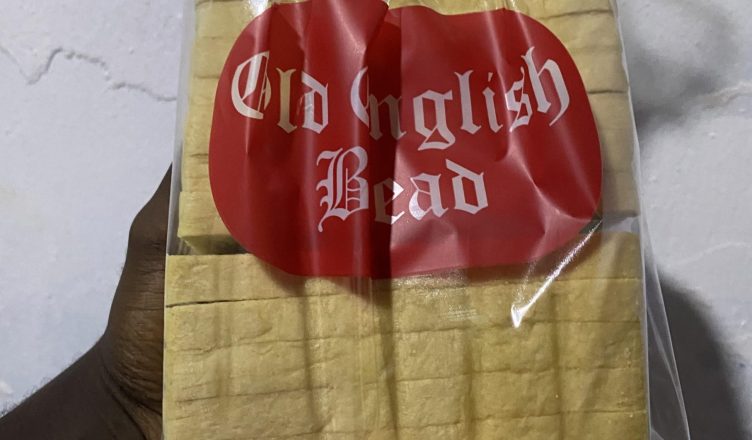
Old English bread, a humble yet timeless staple in British culinary history. Made with simple ingredients and traditional techniques, this bread is a symbol of comfort and tradition. Its rich flavor and rustic texture evoke memories of simpler times and grandmother’s kitchen. Whether enjoyed warm with butter or used for sandwiches, Old English bread never fails to delight the senses. Let’s delve into the history and art of making this classic bread from scratch, and perhaps even unearth some long-forgotten family recipes along the way. So, shall we embark on this delicious journey together?

Discovering the Delightful World of Old English Bread
Welcome, curious readers, to a fascinating journey back in time to explore the wonders of Old English bread. In this article, we will delve into the rich history of this traditional staple, uncover its ingredients, and learn how to bake it yourself at home. So, sit back, relax, and let’s embark on this mouthwatering adventure together!
The History of Old English Bread
Old English bread holds a significant place in the culinary heritage of the British Isles. Dating back centuries, bread was a fundamental part of the daily diet in medieval England. In those times, bread was not just a source of sustenance but a symbol of social status and craftsmanship.
During the Middle Ages, bread-making was a labor-intensive process that required skill and patience. Bakers, known as ‘bakesters,’ would knead the dough by hand and bake it in communal ovens. The type of bread consumed varied depending on one’s social class, with the finest loaves reserved for the nobility.
Old English bread was typically made with simple ingredients such as flour, water, yeast, and salt. The dough would be left to rise slowly, resulting in a dense, flavorful loaf with a crispy crust. Each region in England had its own unique bread recipes, reflecting the local agricultural produce and culinary traditions.
The Ingredients of Old English Bread
One of the charms of Old English bread lies in its simplicity. The basic ingredients used to make this ancient bread have stood the test of time and continue to be staples in modern baking.
Flour
The primary component of Old English bread is flour, which provides the structure and texture of the loaf. In medieval times, flour was typically milled from locally grown grains such as wheat, rye, or barley. The quality of the flour determined the final outcome of the bread, with finer flours producing lighter loaves.
Water
Water is essential for activating the yeast and forming gluten in the dough. In Old English bread recipes, water was often sourced from natural springs or wells, imparting a distinct flavor to the bread. The right amount of water was crucial to achieving the desired consistency of the dough.
Yeast
Yeast is the magical ingredient that makes bread rise and gives it a light, airy texture. In ancient times, yeast was obtained from wild fermentation or sourdough starter. Nowadays, bakers use commercial yeast for convenience, but the principles remain the same.
Salt
Although salt may seem like a minor component, it plays a crucial role in enhancing the flavor of Old English bread. Salt also helps to regulate the fermentation process and improve the texture of the dough. In the past, salt was a precious commodity and was often used as a form of currency.
Baking Old English Bread at Home
Now that we’ve explored the origins and ingredients of Old English bread, it’s time to roll up our sleeves and try our hand at baking this ancient delicacy. Follow these simple steps to create your own delicious loaf of Old English bread:
Step 1: Prepare the Ingredients
Gather your flour, water, yeast, and salt. Make sure your ingredients are fresh and of good quality for the best results.
Step 2: Mix the Dough
In a large mixing bowl, combine the flour, water, yeast, and salt. Knead the dough until it is smooth and elastic, then cover it and let it rise until doubled in size.
Step 3: Shape the Loaf
Punch down the risen dough and shape it into a round loaf. Place the dough on a baking sheet lined with parchment paper and slash the top with a sharp knife to allow for expansion.
Step 4: Bake the Bread
Preheat your oven to the specified temperature and bake the loaf until it is golden brown and sounds hollow when tapped on the bottom. Let the bread cool before slicing and enjoying it with your favorite spreads.
The Legacy of Old English Bread
As we savor the taste of Old English bread and immerse ourselves in its history, we gain a deeper appreciation for this humble yet versatile food. The legacy of Old English bread lives on in modern baking techniques and artisanal bread-making.
So, the next time you bite into a crusty slice of bread or savor a warm roll fresh from the oven, remember the centuries of tradition and craftsmanship that have shaped this beloved staple. Let the spirit of Old English bread nourish not just your body but also your soul, connecting you to a time when baking was an art form and bread was a symbol of community and abundance.
May your baking adventures be filled with joy and may the aroma of freshly baked bread transport you to a bygone era where the simple pleasure of breaking bread brought people together in harmony and gratitude.
Thank you for joining us on this culinary exploration of Old English bread. Until next time, happy baking and bon appétit!
Reviewing the Old English Bread.. #PulsePicks #pulseshorts
Frequently Asked Questions
What ingredients are typically used in traditional Old English bread?
In Old English bread, common ingredients include flour, water, salt, and yeast. Some variations may also include honey or milk for added flavor and richness.
How is Old English bread different from modern bread recipes?
Old English bread tends to be simpler in terms of ingredients and preparation compared to modern bread recipes. It often features a denser texture and a more rustic flavor profile.
Can Old English bread be made without yeast?
Yes, Old English bread can be made without yeast by using alternative leavening agents such as sourdough starter or baking powder. This results in a different texture and flavor compared to yeast-based bread.
What is the significance of Old English bread in historical cuisine?
Old English bread holds cultural and historical importance as a staple food item in early English cuisine. It was a key component of daily meals for many individuals and families, reflecting the simplicity and practicality of traditional cooking methods.
Final Thoughts
Old English bread, a long-standing tradition passed down through generations, holds a special place in history and culture. Its simple ingredients and rustic charm evoke a sense of nostalgia and comfort. With its hearty texture and rich flavor, Old English bread continues to be a beloved staple in many households. Embrace the warmth and tradition of Old English bread, and savor its timeless appeal in every bite.