
Thinking about cng conversion? Look no further! Converting your vehicle to run on compressed natural gas (CNG) is an excellent way to reduce your carbon footprint and save money on fuel costs. With the rising demand for sustainable transportation options, CNG conversion has become increasingly popular among environmentally-conscious drivers. In this article, we’ll explore the benefits, process, and considerations of cng conversion. Get ready to embrace a cleaner, more cost-effective driving experience!

The Ultimate Guide to CNG Conversion: Everything You Need to Know
Are you looking to save money on fuel costs while also reducing your carbon footprint? One solution that many car owners are turning to is CNG conversion. In this comprehensive guide, we’ll take a deep dive into the world of CNG conversion, exploring what it is, how it works, its benefits, and the steps involved in converting your vehicle to run on Compressed Natural Gas (CNG).
What is CNG Conversion?
CNG conversion involves modifying a gasoline-powered vehicle to run on Compressed Natural Gas (CNG) instead. CNG is a cleaner and more environmentally friendly alternative to traditional gasoline, making it an attractive option for eco-conscious drivers looking to reduce their emissions.
How Does CNG Conversion Work?
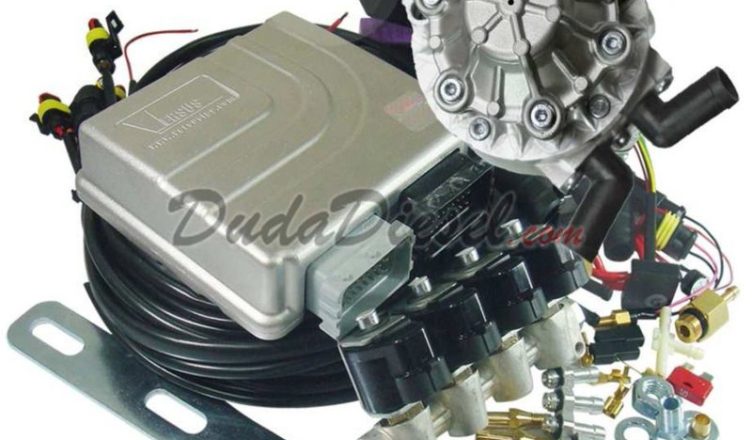
During CNG conversion, a technician installs a CNG conversion kit in your vehicle. This kit includes a CNG storage tank, fuel lines, injectors, and other necessary components to allow your engine to run on CNG. The conversion process is precise and requires skilled professionals to ensure that your vehicle runs smoothly and efficiently on CNG.
The Benefits of CNG Conversion
There are numerous benefits to converting your vehicle to run on CNG. One of the most significant advantages is cost savings. CNG is typically much cheaper than gasoline, allowing you to save money on fuel costs in the long run. Additionally, CNG is a cleaner fuel option, producing fewer emissions than gasoline and diesel, which can help reduce air pollution and greenhouse gas emissions.
Cost Savings
One of the most appealing reasons to consider CNG conversion is the potential for significant cost savings. With the price of gasoline fluctuating constantly, CNG provides a more stable and often cheaper alternative. By converting your vehicle to run on CNG, you can reduce your fuel expenses and save money in the long term.
Environmental Benefits
In addition to cost savings, CNG conversion offers substantial environmental benefits. CNG is a cleaner burning fuel compared to gasoline, emitting lower levels of pollutants such as carbon monoxide and nitrogen oxides. By driving a CNG-converted vehicle, you can help reduce your carbon footprint and contribute to a healthier environment.
The CNG Conversion Process
Converting your vehicle to run on CNG involves several steps that must be carefully followed to ensure a successful conversion. Here’s a breakdown of the typical CNG conversion process:
Step 1: Vehicle Evaluation
Before beginning the conversion process, a qualified technician will evaluate your vehicle to determine its suitability for CNG conversion. Not all vehicles are compatible with CNG conversion, so this evaluation is crucial to assess whether your vehicle can safely be converted.
Step 2: Kit Installation
Once your vehicle is deemed compatible, the next step is to install the CNG conversion kit. This kit includes the CNG storage tank, fuel lines, pressure regulator, injectors, and other components needed to run your vehicle on CNG. The installation process is intricate and should be done by experienced professionals to ensure proper functioning.
Step 3: Testing and Calibration
After the kit is installed, your vehicle will undergo thorough testing and calibration to ensure that it runs smoothly on CNG. This step is critical to verify that the conversion was successful and that your vehicle performs optimally on CNG fuel.
Step 4: Certification and Compliance
Once the conversion process is complete and your vehicle has passed all necessary tests, it must be certified for compliance with local regulations and safety standards. This certification ensures that your CNG-converted vehicle is legal to drive on the road and meets all necessary requirements.
Is CNG Conversion Right for You?
While CNG conversion offers numerous benefits, it may not be the right choice for every car owner. Before deciding to convert your vehicle to run on CNG, consider the following factors:
Driving Habits
Your driving habits play a significant role in determining whether CNG conversion is suitable for you. If you drive long distances frequently, CNG conversion might be a cost-effective option due to the lower fuel costs. However, if you primarily drive short distances, the initial investment in conversion may not pay off in terms of savings.
Availability of CNG Stations
Another crucial factor to consider is the availability of CNG refueling stations in your area. While CNG is an increasingly popular fuel choice, not all areas have convenient access to CNG stations. Before opting for CNG conversion, ensure that there are CNG refueling stations near your usual driving routes.
In conclusion, CNG conversion offers a cost-effective and environmentally friendly alternative to traditional gasoline-powered vehicles. By converting your vehicle to run on CNG, you can enjoy significant cost savings, reduce emissions, and contribute to a cleaner environment. If you’re considering CNG conversion, be sure to research reputable conversion specialists, evaluate your driving habits, and assess the availability of CNG stations in your area. With proper planning and consideration, CNG conversion can be a rewarding choice for both your wallet and the planet.
CNG Kit, Natural Gas Conversion, Sequential Injection For $850
Frequently Asked Questions
Is converting to CNG a viable option for my vehicle?
Converting your vehicle to run on Compressed Natural Gas (CNG) can be a viable option if you want to reduce emissions and save on fuel costs. However, it is important to consider factors such as the availability of CNG stations in your area, the initial conversion cost, and the potential savings in the long run.
What are the advantages of converting my vehicle to CNG?
Converting your vehicle to CNG can lead to lower emissions compared to traditional gasoline or diesel vehicles. CNG is also generally less expensive than gasoline, allowing you to save money on fuel costs over time. Additionally, CNG is a cleaner burning fuel, which can contribute to improved engine maintenance and longevity.
Are there any drawbacks to converting my vehicle to CNG?
One drawback of converting your vehicle to CNG is the initial conversion cost, which can vary depending on the type of vehicle and conversion kit. Additionally, finding CNG stations for refueling may be more challenging in some areas compared to gasoline or diesel stations. It is also important to ensure that the conversion is done by a certified technician to avoid potential issues with the vehicle’s performance.
Final Thoughts
Converting your vehicle to run on CNG can significantly reduce emissions and save money on fuel costs. With the increasing focus on sustainability, CNG conversion is a practical step towards a greener future. It offers a cleaner alternative to traditional gasoline and diesel, contributing to a cleaner environment. Embracing CNG conversion can lead to long-term benefits for both the environment and your finances.