
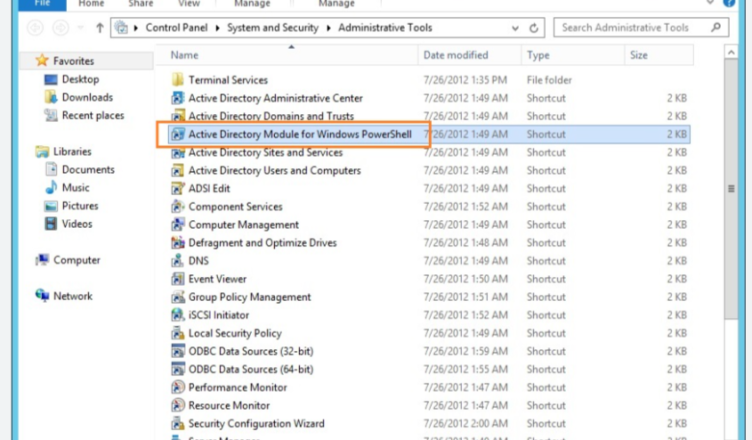
Ensuring an organization’s active directory management tools is efficiently managed is a critical task for IT administrators. This complex system governs user access, group policies, and network security, yet managing routine updates often remains a manual and time-consuming process. For modern enterprises, automation stands out as a powerful solution to simplify repetitive administrative tasks, enhance operational efficiency, and maintain system integrity.
This blog will explore how automating routine Active Directory updates can transform management processes. From reducing human error to fortifying security protocols, discover the advantages of incorporating automation into your daily IT workflow.
The Importance of Effective Active Directory Management
Active Directory functions as the backbone of network administration in organizations. It manages user permissions, intertwined applications, and data access while upholding robust security. However, with the increasing complexities of enterprise systems, manually handling routine updates in AD can be overwhelming. Tasks such as modifying user permissions, adding or removing users, resetting passwords, and updating group memberships demand significant time investments.
Aside from being labor-intensive, these manual processes increase the likelihood of errors, which can lead to operational inefficiencies and potential security vulnerabilities. This is where automating Active Directory updates becomes a game-changer.
Benefits of Automating Routine Active Directory Updates
Organizations that adopt automation for Active Directory updates often report better system performance, streamlined workflows, and stronger security layers. Below are the most compelling benefits:
1. Reduced Administrative Burden
Manually managing everyday directory updates, such as user account modifications or password resets, consumes a significant portion of IT administrators’ bandwidth. Automating these tasks allows teams to focus efforts on higher-priority initiatives like system upgrades or strategic planning.
Whether onboarding new employees, disabling inactive accounts, or handling recurring policy changes, automation simplifies routine tasks. This streamlined approach frees IT teams from repetitive processes, offering valuable time and energy savings.
2. Improved Operational Accuracy
Human error is a leading cause of misconfigurations and operational delays in directory management. Simple mistakes, like assigning incorrect permissions or failing to revoke access for offboarded employees, can have serious consequences, including security breaches or compliance violations.
Automation reduces reliance on manual input, ensuring all updates are performed consistently and accurately. With predefined workflows, administrators can minimize the risk of oversight and maintain the integrity of their Active Directory environment.
3. Enhanced Scalability
Modern organizations often experience rapid growth, resulting in expanding AD structures. Scaling operations manually becomes unsustainable as more users, resources, and devices are added to the directory.
Automation enables businesses to manage increasing complexity effortlessly. Bulk account creations, updates, or deletions can be performed with simple workflows, regardless of the size of the organization. This scalability ensures that operational efficiency is maintained as the organization grows.
4. Strengthened Security
Active Directory is integral to ensuring secure access to enterprise resources. Outdated or poorly managed directories pose significant vulnerabilities to unauthorized access or insider threats.
Automating routine updates boosts security by enforcing policies consistently and in real-time. Critical processes, such as applying password policies, deactivating dormant accounts, or updating group membership configurations, can be automated to mitigate potential risks. This proactive approach raises the overall security posture of the organization.
5. Faster Response to Change Requests
Workforce dynamics frequently change. Users may request access to specific resources, or managers might require quick changes to group policies for their teams. Handling such modifications manually can result in prolonged delays, impacting business productivity.
By implementing automated workflows, organizations ensure timely responses to change requests within Active Directory. Whether it’s granting access, updating login credentials, or applying new policies, tasks are completed faster, allowing employees to remain productive.